

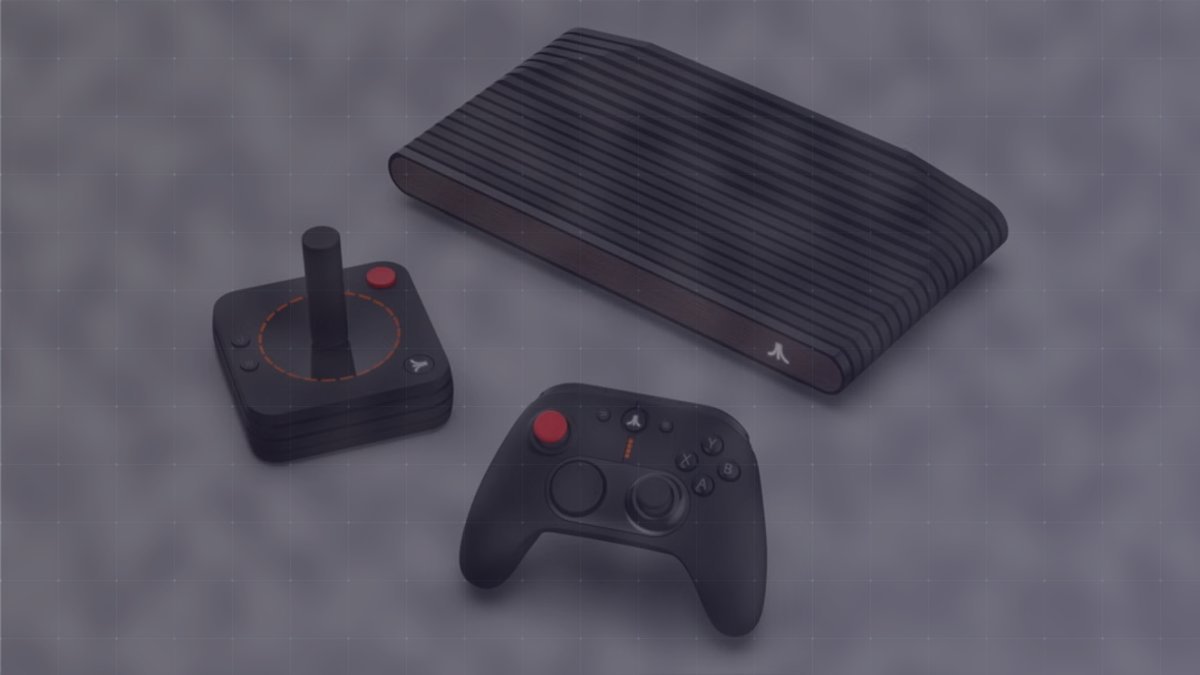
Atari has fixed a date for retiring the digital shopfront that has supplied its VCS console with software since launch. The store stops operating on February 1, 2027, and owners have until January 31 of that year to buy titles and attach them to their libraries. After the cutoff, the machine will keep running whatever is already installed, but it will no longer be a place where new games can be purchased. The timetable was disclosed through the company’s Atari Club Discord channel.
The decision closes a chapter for a device that tried to sell retro gaming and desktop computing in a single box, and whose development was dogged by delays, changes of name and expectations it struggled to satisfy during its crowdfunding campaign.
- Key Point: Atari will stop selling VCS software on February 1, 2027, with purchases permitted through January 31 of that year.
- Key Point: Games and applications downloaded before the deadline will remain usable on the console.
- Key Point: A final operating system release is intended to move authentication and software execution onto the device itself, reducing reliance on Atari’s servers.
- Key Point: Atari Home Brew, a newly announced application, is designed to let independent developers keep distributing titles to VCS owners.
What still works once the shopfront goes dark
Losing the store does not brick the hardware. Anything already installed stays playable, so owners keep a sizable portion of what they paid for — they simply lose the official route for adding more. The catalog had in any case stopped growing: Atari was no longer introducing new titles to the store before the closure was announced, which means the shop has been effectively frozen for some time.
What remains unsettled is the technical reach of the transition. How much of the console’s connected functionality survives depends on the software Atari still intends to ship, and the company has not published the specifications needed to judge the outcome.
The last system update and the questions it leaves open
Atari’s plan centers on a final operating system release that would relocate functions currently handled by its own infrastructure — authentication and the execution of software among them — onto the console. If that works as described, the VCS would need far less backing from Atari’s servers to perform its basic tasks, which is the difference between a device that keeps working and one that slowly degrades as support is withdrawn.
Some commentary around the announcement suggests the change could make the VCS easier to use as an ordinary computer. That remains speculative, because the company has not confirmed which functions will be available after the update, nor what the system will actually permit. For the same reason, it is unclear how far owners will be able to modify the hardware or expand its capabilities once official support ends.
Home Brew and a bigger role for the community
The other announced initiative is Atari Home Brew, an application through which independent developers can continue sharing their work with people who own the console. It amounts to a parallel distribution channel for a platform that will soon have no store of its own, and it is the clearest signal yet that Atari expects the community to carry part of the load.
Whether that works depends on two things the announcement does not settle: the features the application actually offers, and how many creators decide it is worth their time. If both hold up, the VCS could retain a modest but living software pipeline after February 2027. If either falls short, the console becomes a closed library of what was bought before the deadline.
A Linux machine dressed as a 2600
The VCS shipped as a Linux-based system built around an AMD processor, blending computer functions with a gaming-first pitch. Its exterior borrowed visual cues from the Atari 2600, one of the most recognizable consoles ever made, though it had no cartridge slot. It arrived with a bundle of classics and could be expanded through the digital store.
It also carried streaming applications and, in recent years, cloud gaming services including Xbox Cloud Gaming and Nvidia’s GeForce Now. The store closure strips away part of that connected experience, leaving owners with downloaded titles and a device whose usefulness will be defined by the final update, the alternatives Atari leaves in place and what independent creators build on top of them.
Atari is not killing the VCS; it is stepping back from running it. The months before February 2027 will show whether an offline-first update and a developer-facing app are enough to convert a commercial wind-down into a handover — and whether a small hardware platform can outlive the store that was supposed to sustain it.