
Norway’s largest oil and gas producer Equinor has disclosed that it is dealing with an active cyberattack directed at parts of its computer infrastructure. In a statement issued at 18:55 Norwegian time and later updated at 19:40, the company said the intrusion had not disrupted its operations or output, and that it had found no evidence that data was stolen.
- Key Point: Equinor says the attack targeted IT systems and did not reach the systems that run production, so oil and gas output continued normally.
- Key Point: The company has not said when the attack began, which systems were hit or who might be responsible, and no group has publicly claimed it.
- Key Point: Norway’s police security service, the PST, is aware of the incident and is assisting if needed, while the National Security Authority (NSM) is in contact with Equinor.
- Key Point: The disclosure follows a recent wave of cyberattacks and bomb threats against targets across Europe, after the NSM raised Norway’s cyber risk level to its second-highest tier.
Response and official contacts
According to the statement, Equinor deployed resources to counter the attack and to restore the integrity of the affected systems, and it is notifying the relevant authorities. The company did not specify the origin of the intrusion or the nature of the technical breach, and it said further details would follow once available.
Norwegian public broadcaster NRK reported that the PST is monitoring the situation and offering support if required, citing adviser Eirik Veum. The NSM also knows about the case and is in dialogue with the company, according to communication adviser Mari Lerdal, who spoke to the NTB news agency.
Equinor spokesperson Ellen Maria Skjelsbæk declined to tell NRK which systems were compromised. She confirmed that the company faces attempted digital attacks on a daily basis.
“You cannot secure yourself one hundred percent,” she said.
Revised statement and scope of the breach
The initial version of the company’s message told employees they might notice disruptions to some services and that, for the time being, they should take no action. Both sentences were removed after publication, NRK noted.
Specialist outlet Breach News observed that the statement draws a line between the IT systems and those that manage operations and production, with Equinor maintaining that only the former were reached. An intrusion into corporate systems can still be serious if it later leads to data theft or serves as a foothold for reaching industrial networks. As of the publication of that assessment, no criminal group had publicly taken responsibility.
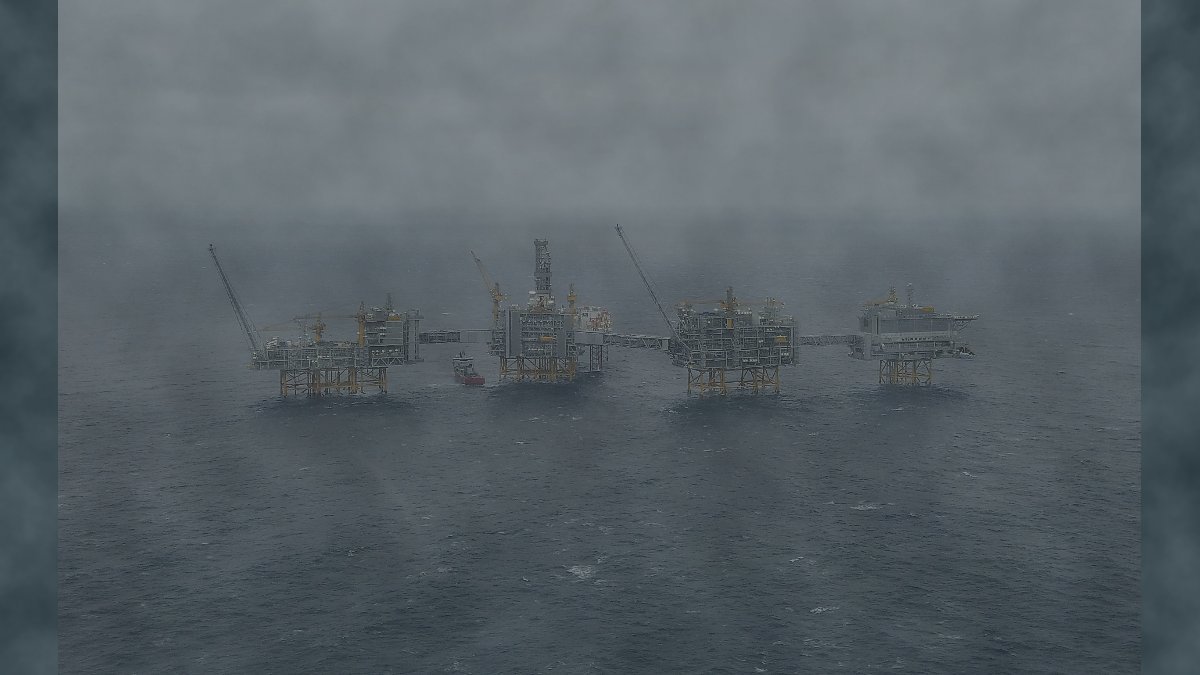
Equinor runs a number of oil platforms in the North Sea, among other installations. The company has not said whether employees, partners or customers were affected by the incident.
A wider wave of attacks in Europe
The disclosure lands amid a cluster of digital incidents and threats reported across the continent in recent days. They have hit supermarket freezers, blood banks and the computer systems of Norwegian clothing chains, and bomb threats have been directed at flights and schools. Equinor has not said whether its case is connected to any of them.
Shortly before, the NSM had lifted Norway’s cyber risk level to the second-highest setting and published a list of 21 measures intended for companies across the country. The agency’s guidance is aimed at the whole business sector rather than at energy firms alone, a sign that authorities see the threat as broad.
The company has not set a date for its next communication and said it will issue updates when new information becomes available.
The episode puts a spotlight on the separation between corporate IT and the industrial control systems that keep energy infrastructure running. Equinor’s insistence that production was untouched rests on that boundary holding, and the coming days will show whether the intrusion stayed confined to office networks or whether investigators find a path toward operational technology. For a supplier of natural gas to Europe, the scrutiny will extend beyond the company itself to the regulators now weighing how far Norway’s elevated risk level should reshape defenses across critical sectors.