

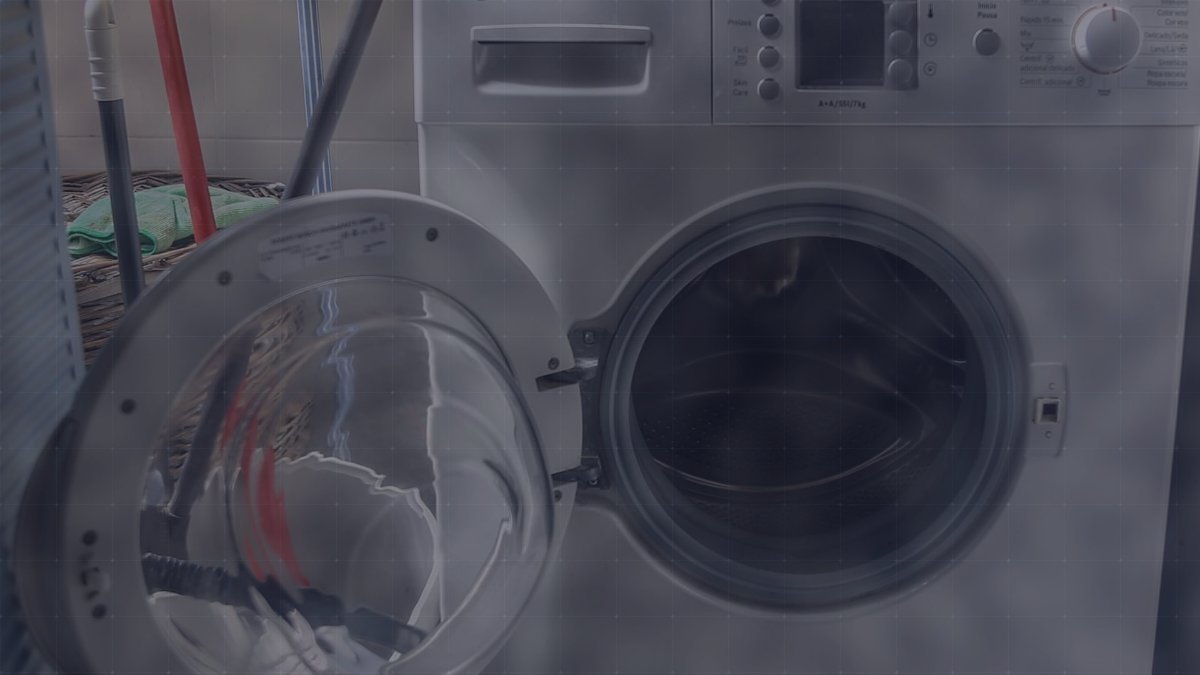
Most households treat the washing machine as self-cleaning equipment, yet detergent leftovers, lint, moisture and textile fibers settle in places the drum cycle never reaches. LG, Samsung and Whirlpool advise a full internal clean roughly every one to two months, or after about 30 washes, to keep odors, drainage trouble and grime buildup in check.
- Key Point: Manufacturers recommend a complete cleaning every one or two months, or after approximately 30 wash cycles.
- Key Point: Daily use, large loads and heavily soiled clothing call for more frequent attention, with drum, dispenser and filters reviewed at least monthly.
- Key Point: The detergent drawer, drain filter and rubber door gasket are the three areas where residue concentrates and problems usually start.
- Key Point: Vinegar, baking soda and bleach should only be used after checking the manual, since not every model or surface tolerates them the same way.
Where grime gathers inside the machine
Water and detergent clean the clothes, but they leave behind a mix of fibers, dirt, surplus product and dampness. Over time that buildup produces persistent smells, marks on garments, slow draining and blockages. The detergent drawer is a frequent offender: it should be pulled out and washed with hot water and dish soap, with a small brush helping to loosen stuck residue, and the compartment it slides into needs cleaning as well.
The drain filter, usually located at the lower front, has to be opened carefully and rinsed under a tap. A towel or container should be placed underneath first, because trapped water can spill out. The drum itself can be wiped with a microfiber cloth, and an empty hot-water cycle helps cut residue and odor. The rubber gasket demands warm water and soap, especially along its folds, where moisture, hair, lint and product remnants collect. Hoses and connections should also be inspected for leaks, wear or signs of deterioration.
Some machines ship with a dedicated drum-cleaning program; others require an empty hot cycle. The manual specifies the right procedure and which products are safe for the materials involved. White vinegar can be used on the drum, but repeated contact with the gasket is best avoided because it may speed up wear on the seal.
Habits that matter between deep cleans
Routine care extends beyond a scheduled cleaning. Leaving the door open after each load lets the drum dry and air circulate, reducing humidity inside. Visible traces of detergent or softener should be wiped from the drawer right away; once hardened, they are harder to remove and can interfere with the flow of products on the next cycle.
Dosing also plays a role. Using more detergent than a load requires increases accumulation, since part of the product ends up clinging to the drum, the ducts or the dispenser. Following the recommended amount limits that buildup.
If the equipment takes longer than usual to drain, leaves residue on clothes or keeps a persistent odor, it is worth checking these parts.
Frequency should track real-world use. A machine that runs every day, takes large loads or washes very dirty garments needs more regular cleaning than one used occasionally. Sluggish draining, residue on clothing and lingering smells are the signals that the gasket, drawer or filter deserves a closer look before the problem spreads to other internal components.
Why the schedule matters
Maintenance will not prevent every breakdown, but it lets owners spot warning signs before they affect drainage, hygiene or performance. Ventilating the interior, cleaning the spots where residue accumulates and consulting the manual give the appliance a better chance of holding up under daily use. For manufacturers, the message is that the drum cycle is only part of ownership: the parts users never see are the ones that decide how long the machine lasts.