

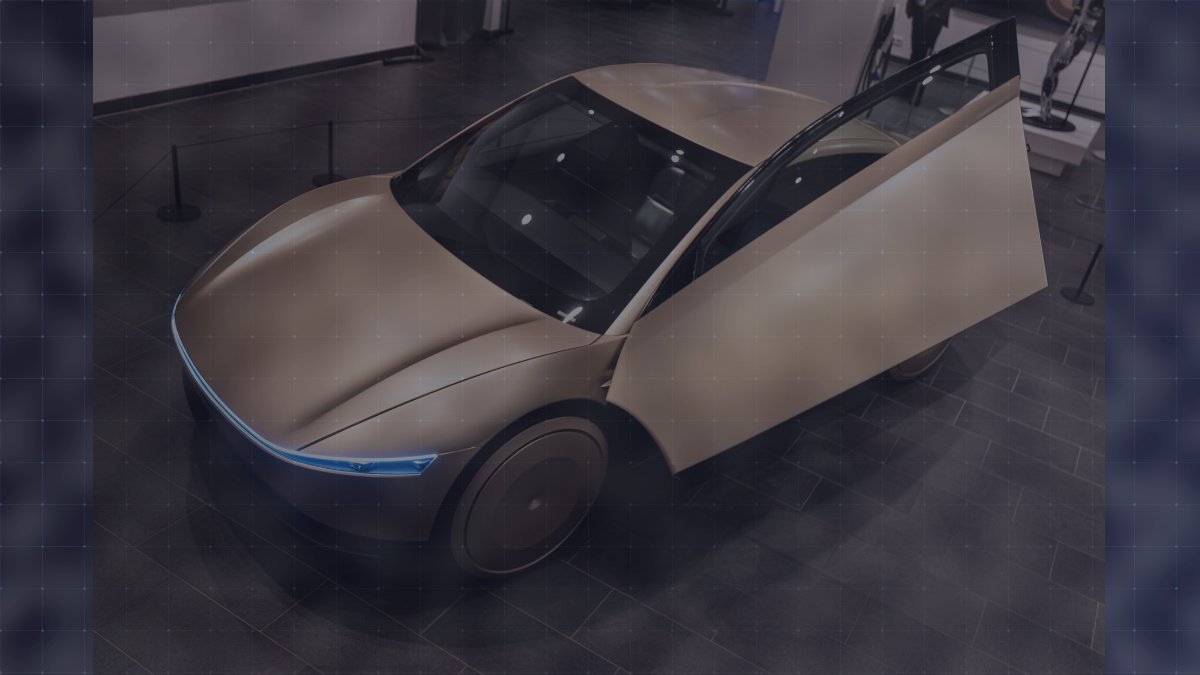
Tesla has started taking public orders for the Cybercab, the two-seat robotaxi it designed for personal ownership, with a base sticker of USD 29,990. That figure buys hardware that cannot drive itself: under the company’s terms, owners must also carry a USD 299 monthly subscription for the autonomous driving stack. Without it, the paperwork states plainly, the vehicle will not operate. Deliveries are scheduled to begin next month, roughly a week after the order book opened.
- Key Point: The Cybercab carries a USD 29,990 purchase price, but full operation depends on a USD 299 monthly autonomous-driving subscription.
- Key Point: Elon Musk has publicly called the monthly rate too high and pointed to a roughly USD 115 tier offered on other Tesla models.
- Key Point: Private Cybercabs are confined to limited service areas, currently Austin and other cities where Tesla runs its robotaxi operation.
- Key Point: Reselling the car without Tesla’s consent triggers a USD 50,000 penalty under the current terms.
A car that stops working without a subscription
The arrangement pushes Tesla further into the software-as-a-service model that Elon Musk, the company’s chief executive, has long argued will define the automotive business. Buyers are not simply purchasing a vehicle; they are signing up to a recurring payment that gates the machine’s core function. Tesla’s conditions tie continued use to keeping the plan active, and the company reserves the right to change the price with as little as one month’s notice.
Musk himself has questioned the number. In a social media post over the weekend, he described the monthly charge as too high and argued it should sit closer to what Tesla charges for its premium connectivity and automated driving package on other models, a figure in the region of USD 115 a month. The comment puts the chief executive at odds with the pricing his own company has published for its flagship autonomous product.
Geography, weather and a camera inside the cabin
Paying the fee does not unlock the car everywhere. Privately owned Cybercabs are restricted to designated coverage zones, which for now center on Austin and other markets where Tesla has rolled out its robotaxi service. Those boundaries are not permanent: the company can redraw them at will and may also limit operation when weather turns bad or road conditions deteriorate.
Tesla can suspend a subscription if it finds the service terms have been breached, an action that leaves the car unusable. Owners are likewise barred from customizing the interior or exterior. The company keeps access to personal data, including location information and footage from a camera mounted inside the cabin, which lets it monitor how the vehicle is being driven.
Two clauses sharpen the control further. Tesla may buy the car back at any moment at a price it sets unilaterally, and owners cannot resell without prior approval. Breaking the resale rule carries a USD 50,000 fine, a structure familiar from the brand’s other limited-run models.
The terms state that without the subscription, “your Cybercab will not work.”
A promise Musk has not delivered
For years Musk told audiences that owners would be able to dispatch their Cybercabs as independent taxis and earn money while the car sat idle. The published conditions close that door: operating the vehicle commercially requires written permission from Tesla. Access to the car is also tightly held for now, limited to a small group of enthusiasts and influencers chosen by the company, who face close scrutiny of how they use it.
The gap between the revenue-sharing pitch and the actual contract is the most revealing part of the launch. Tesla is selling a machine whose autonomy, service area, resale value and even its continued motion remain under the manufacturer’s control. For buyers, the USD 29,990 is only the entry ticket; the real cost of ownership is a rolling fee that Tesla can raise, and a set of restrictions that can shrink the car’s usefulness after purchase. How regulators and early customers respond to that model, and whether Musk’s own criticism of the price translates into a lower rate before deliveries ramp up, will shape whether the Cybercab reads as a product or as a subscription with wheels attached.